
How to Clean an Espresso Machine: Step-by-Step Guide
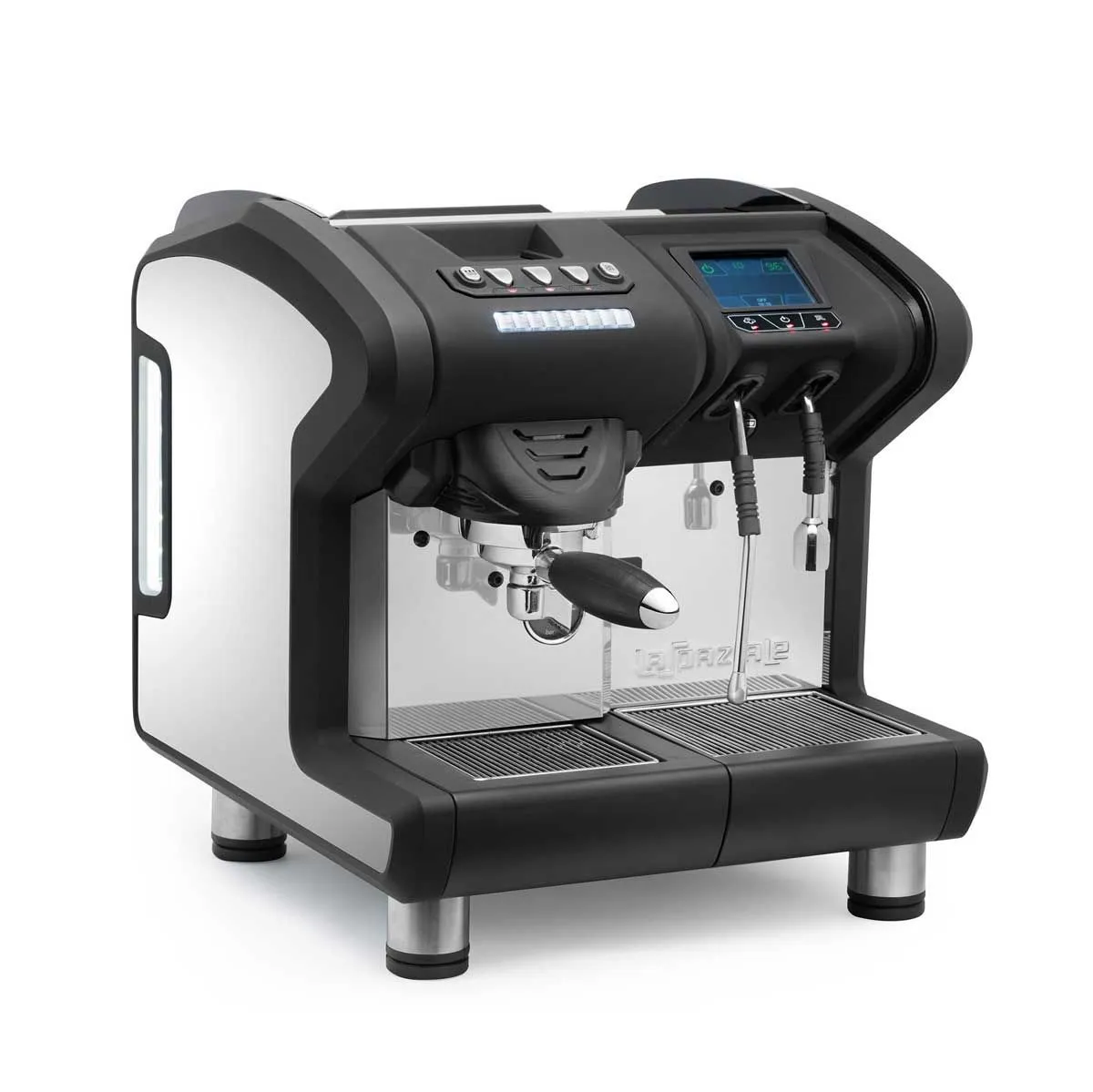
A clean machine makes better coffee. It also lasts longer, smells better, and saves you from expensive repairs later. Let’s walk through the full process, from daily habits to deep cleaning, without overthinking it.
Introduction: How to Clean Espresso Machines
Learning how to clean espresso machines isn’t about being perfect. It’s about building a simple routine that keeps flavors fresh and parts working the way they should. Coffee oils, milk residue, and minerals all build up faster than most people expect.
This guide covers quick daily care, deeper weekly cleaning, and long-term maintenance so your machine stays reliable, and your cup tastes the way it should.
Why You Should Clean Your Espresso Machine
Espresso is sensitive. Even small amounts of old coffee oils or milk residue can change the taste of a shot. Bitter flavors usually show up before anything actually breaks, which is your early warning sign.
Regular cleaning also prevents clogs, pressure problems, and worn seals. Over time, neglect shortens the appliance’s lifespan and leads to repairs that cost far more than a few minutes of care. A simple routine protects your investment and keeps every cup consistent.
Keeping Your Espresso Machine Clean Daily
Daily cleaning sounds like work, but it’s really just a few habits done at the right time. These steps take minutes and prevent bigger problems later.
Group Head and Steam Wand Purging
After each shot, flush the group head to clear out coffee grounds and oils. This keeps residue from baking onto internal parts during brewing.
Pro tip: For milk drinks, purge the steam wand before and after steaming. Keep the steam wand clean by wiping it immediately to prevent milk from hardening.
Cleaning Drip Tray, Portafilter, and Basket
Rinse the portafilter and filter baskets after every use. Old oils stick quickly and affect flavor. Empty the drip tray before it overflows and give it a quick wash in the sink with warm water. This helps keep odors down and supports basic cleanliness, especially if your machine lives in a busy kitchen or café.
Machine Exterior Wipe-Down
Use a damp cloth or microfiber cloth to wipe the outside of the machine. Focus on buttons, knobs, and areas you touch often. Avoid scouring pads or harsh chemicals. A soft cloth protects finishes and keeps the machine looking good without scratching surfaces or damaging seals.
Final Daily Rinse to Clear Hoses
At the end of the day, run clean water through the brew head and hot water outlet. This clears internal water pathways and removes residual debris. Let the machine rest after completing this step so moisture can evaporate before the next use.
Weekly to Monthly: Deep Cleaning Espresso Machine Steps
Daily care handles surface mess. Weekly and monthly cleaning reaches the parts you cannot see but rely on every time you pull a shot.
Grinders
If you have an espresso machine with a grinder, cleaning frequency matters. Built-in grinders usually need attention every few months, while standalone grinders may need it more often, depending on use.
Remove loose coffee grounds, wipe accessible areas, and use a grinder-safe cleaner when recommended. Oils from grinding build up slowly and affect grind consistency long before you notice flavor issues.
Inspect Wear Components
Once a month, check seals, screens, and visible gaskets. Look for cracks, stiffness, or leaks during brewing. These parts wear naturally and are easier to replace early than after a failure causes pressure loss or uneven extraction.
Soak Group Heads, Spray Heads, Shower Screens
Take off any easily removable metal parts and soak them in hot water with a food-safe cleaning solution designed for espresso equipment. This breaks down oils that rinsing alone cannot remove. Rinse thoroughly and allow parts to dry before reinstalling to avoid residue in your next shot.
Deeper Milk System Cleaning
Milk residue is a food safety issue, not just a flavor problem, so take this step seriously and do not skip it.
Machines with manual steam wands need regular soaking of the tips and internal rinsing. Integrated milk systems require cleaning cycles using the manufacturer’s instructions.
Annual Maintenance of Espresso Machines
Once a year, step back and review the machine as a whole. This does not mean taking the espresso machine apart yourself. It means checking parts that technicians often inspect during service visits.
These include steam and hot water valve seals, shoulder bolt shims, the expansion valve, anti-suction valve, brew actuator bearings, waste pipes, and portafilter baskets. Small issues here lead to leaks, temperature instability, and pressure loss.
For home users, this is a good time to schedule professional service if needed. For a commercial espresso machine, annual inspections are essential. These machines run harder and longer and depend on tight internal connections. A technician can verify connections are tight, replace worn parts, and ensure safe operation without risking damage from DIY repairs.
Descaling Espresso Machines
Descaling removes mineral buildup caused by water. Hard water lets scale buildup more quickly, but even soft water can create deposits over time. Scale affects temperature stability, flow rate, and flavor. If ignored, it can lead to clogs and costly internal damage.
Water hardness determines how often you need to worry about descaling espresso machines. Soft water may require descaling every 3 to 6 months. Hard or unfiltered water may require monthly attention. Descaling at least once a year is the bare minimum for any machine.
Why You Should Always Use a Commercial Descaling Solution
Never assume household products are safe. Vinegar should only be used if the manufacturer explicitly approves it. Many machines are damaged by acids not designed for internal seals and metals. Commercial products are formulated to dissolve scale while protecting internal parts and maintaining food safety standards.
Espresso Machine Descaling Steps
- Empty and clean the water reservoir.
- Fill with fresh water mixed with the approved descaling product.
- Run the solution through the brew head and steam wand according to instructions.
- Let the solution rest inside the system for the recommended time.
- Rinse by filling the reservoir with clean water and flushing thoroughly.
- Discard the first brewed shot to ensure verification that it’s clean before regular use.
Beverage Dispensers and Water Tanks: Reservoirs, Internal Water Paths, and Hygiene
Water systems are easy to forget. Clean the water reservoir regularly to prevent algae growth and contamination. Internal water paths can hold stagnant water if the machine sits unused. Rinsing and drying these areas protects both taste and hygiene.
Trusted guidance on food equipment sanitation supports this approach. The National Sanitation Foundation outlines cleaning practices for beverage equipment in food service environments. The FDA Food Code emphasizes routine cleaning of food contact surfaces and water systems.
Cleaning Different Types of Espresso Machines
The most common mistake across all types is assuming automation replaces maintenance. It doesn’t.
- Semi-automatic espresso machines require manual flushing, backflushing, and part soaking.
- Automatic espresso machines handle some rinsing cycles but still need hands-on cleaning.
- Super-automatic espresso machines automate much of the process, yet milk systems, drip trays, and brew units still require regular attention.
- Machines that use espresso machine pods feel simpler, but they still need water system cleaning and exterior care.
Tips to Keep Your Espresso Machine in Top Condition
Service technicians often notice neglect long before owners do. Sticky buttons, sour smells, and uneven shots often precede mechanical failures. Flavor changes are early warnings.
Cleaning habits also affect resale value. Machines with clean internals and documented care sell faster and for more money. Another overlooked factor is water quality. Using filtered water reduces scale and protects internal components.
Build quick routines that fit your schedule. Purge, wipe, rinse, and move on. These habits save time, money, and frustration over the life of the machine.
Common Mistakes to Avoid When Cleaning
These mistakes cause damage quietly and are easy to avoid with basic care.
- Skipping a detergent backflush on machines that support it.
- Using abrasive brushes or scouring pads to scrub metal surfaces.
- Mixing cleaners not meant to be used together.
- Ignoring hidden areas like drip trays and group heads.
- Using the wrong cleaner on the wrong component.
Final Thoughts: Protect Your Espresso Machine and Your Coffee Quality
Cleaning isn’t about perfection but consistency. Daily rinsing, weekly deep cleaning, and scheduled descaling protect flavor and equipment alike. When maintenance becomes routine, coffee improves, and repairs become rare.
If you’re shopping for reliable gear, accessories, and expert help, explore 1st in Coffee. Our team carefully reviews products, responds to real questions, and helps customers choose equipment that fits their brewing style.
Clean machines make better coffee, and the right tools make cleaning easier.
FAQs
Which parts of the espresso machine need regular cleaning?
You should regularly clean group heads, steam wands, filter baskets, drip trays, and the water reservoir. These parts affect both taste and hygiene.
How do I clean the steam wand and milk frother properly?
To clean the steam wand and milk frother properly, purge before and after each use. Wipe immediately with a damp cloth. Soak removable tips weekly using a food-safe cleaner to prevent buildup.
How do I clean the interior of my espresso machine?
Cleaning the interior of the espresso machine includes flushing, backflushing when supported, and descaling. Internal disassembly should be handled by a technician unless the manufacturer instructs otherwise.
The Author