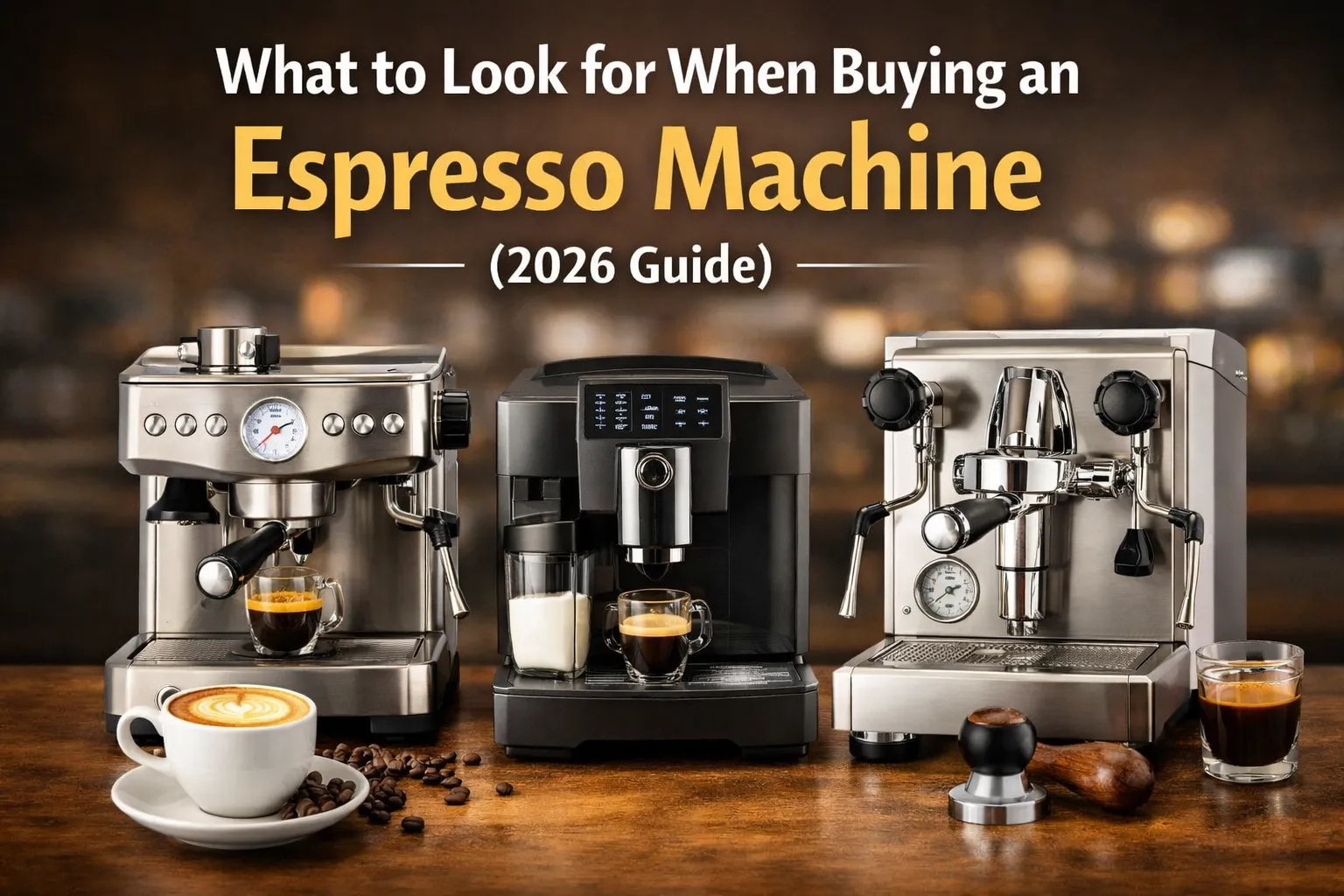
What to Look for When Buying an Espresso Machine (2026 Guide)
The machine you buy today could be pulling shots for the next decade. Choose wisely, and it pays for itself.
Imagine waking up and making café-quality espresso at home; that’s a priceless experience! But which machine should you pick? With hundreds of types of espresso machines spanning every skill level and price point, the choice feels genuinely overwhelming.
Knowing what to look for in an espresso machine, from boiler configuration and temperature control to quality materials and long-term serviceability, is what separates a smart investment from buyer’s remorse.
This guide covers the main machine types, features that actually matter, and how to match the ideal espresso machine to your skill level and coffee preferences.
Machine Types and Why They Matter
Most espresso machines fall into four categories: manual, semi-automatic, automatic, and super-automatic. The types of espresso machines you consider should depend on how much control you want over the brewing process.
1st in Coffee Manual / Lever Machines
A manual espresso machine puts every extraction variable in your hands. You control pressure and timing with a manual lever; these machines require the most from the user and give the most to those who work hard.
Top Products
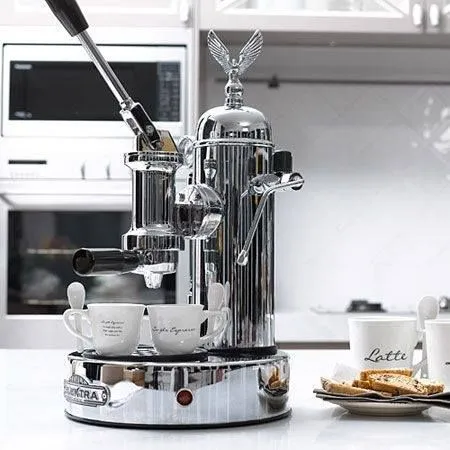
- Elektra S1C Microcasa Lever: A spring-piston lever design that forces hot water through the coffee puck with consistent pressure every pull. The 1.8-litre boiler produces exceptionally dry steam for milk frothing, and the polished chrome finish with Italian retro styling makes it as striking on the counter as it is in the cup.
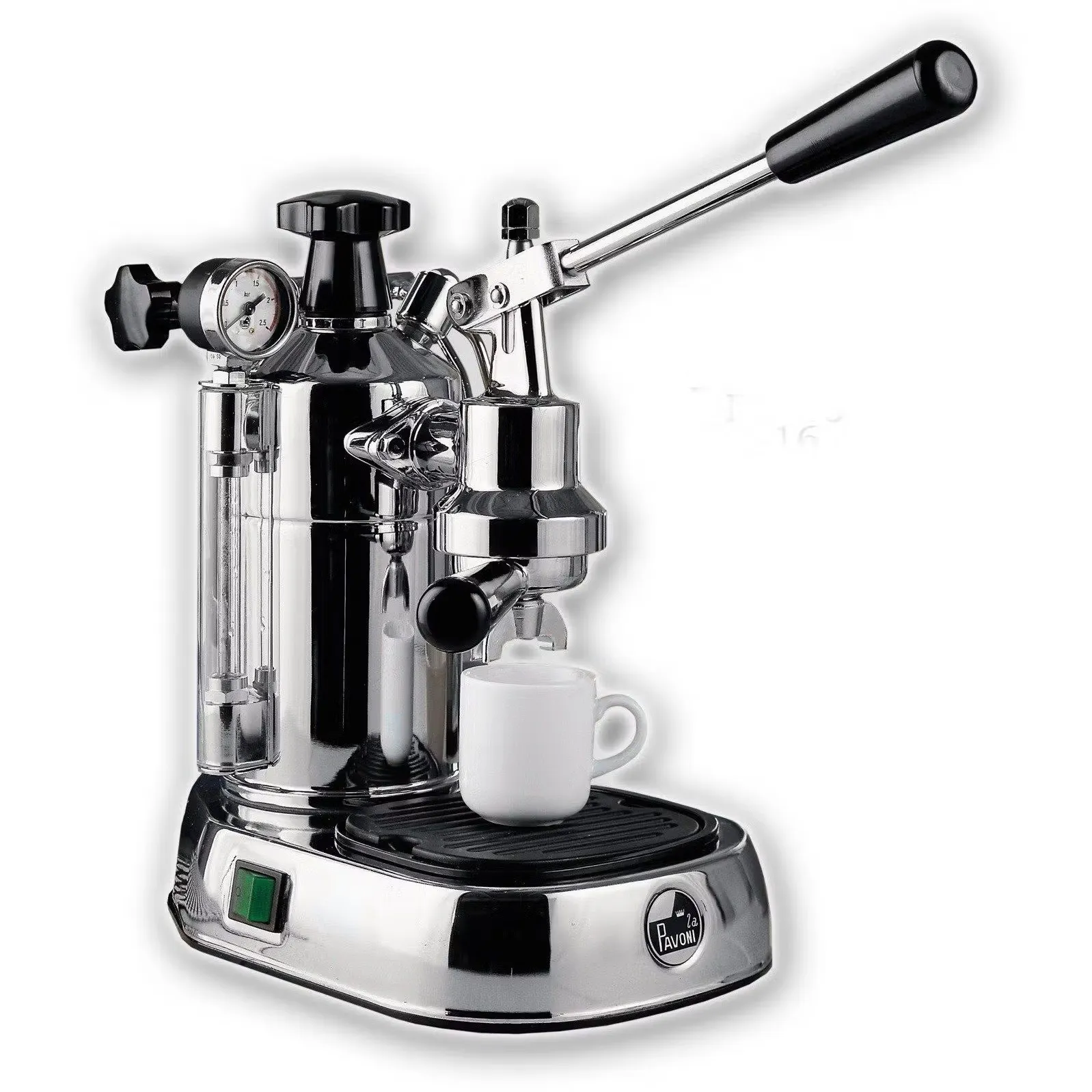
- La Pavoni Professional: Hand-built in Italy since 1905, this 38 oz. chrome lever machine uses nickel-plated solid brass boilers and the Millennium brew group — fitted with heat diffusers to prevent unwanted heat buildup and keep extraction temperature dialled in. It holds enough water for up to 16 double espressos, making it the definitive hands-on machine for the serious home barista.
1st in Coffee Single Boiler Machines
A single-boiler machine uses a single boiler for both brewing and steaming, but can’t run them simultaneously. Single boilers are budget-friendly but require waiting for steam temperature—unsuitable for pulling multiple coffee drinks back-to-back. They remain a solid entry point for beginners learning real techniques with semi-automatic machines.
Top Products
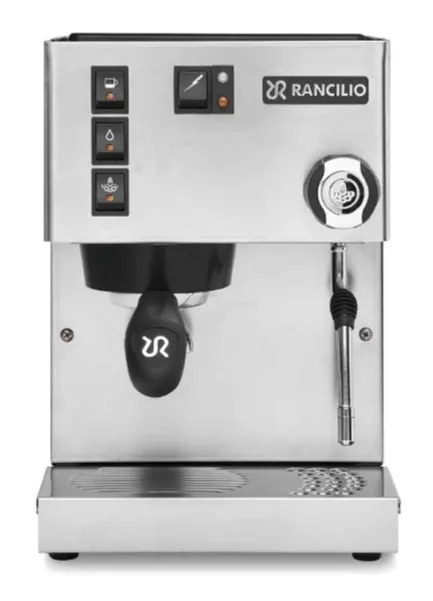
- Rancilio Silvia M V6: Over 20 years in production and still the benchmark under $1,000, the Silvia M V6 uses a thermal-wrapped, lead-free brass boiler for fast heat-up and consistent temperature retention. It packs commercial-grade components into a compact stainless steel frame, a heavy-duty 58mm portafilter, an iron chassis, and 3-way solenoid valve, delivering espresso quality that punches well above its price point.
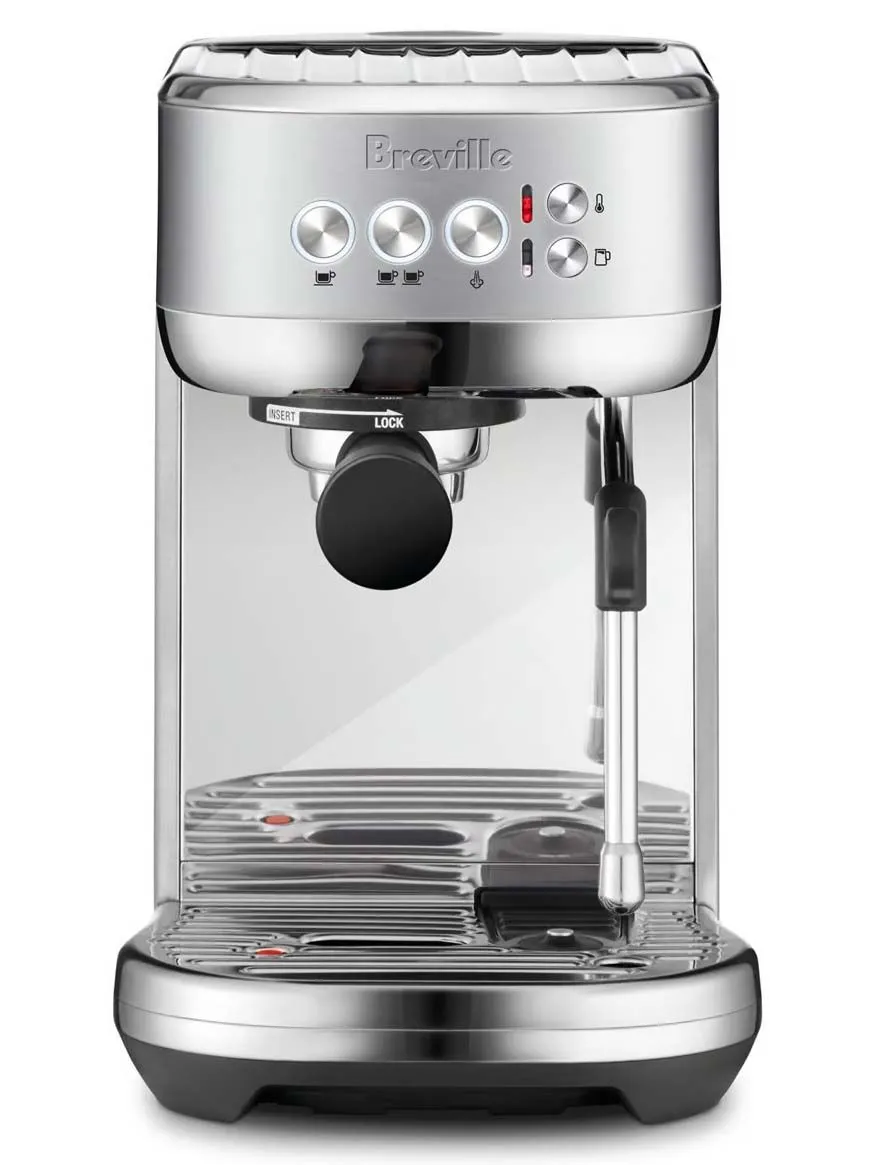
- Breville Bambino Plus: The most accessible single boiler on the market for serious results. Its proprietary ThermoJet heating system reaches optimal extraction temperature in just 3 seconds, and the automatic steam wand produces the microfoam needed for latte art without any manual technique. Consistent 9-bar extraction and excellent temperature stability make it the go-to recommendation for first-time buyers who don’t want to compromise on cup quality.
1st in Coffee Prosumer Machines
Prosumer machines borrow high-end features from commercial machines and bring them home. Advanced boiler systems, quality materials, and PID controls are standard. This segment is where serious home espresso enthusiasts land.
Top Products
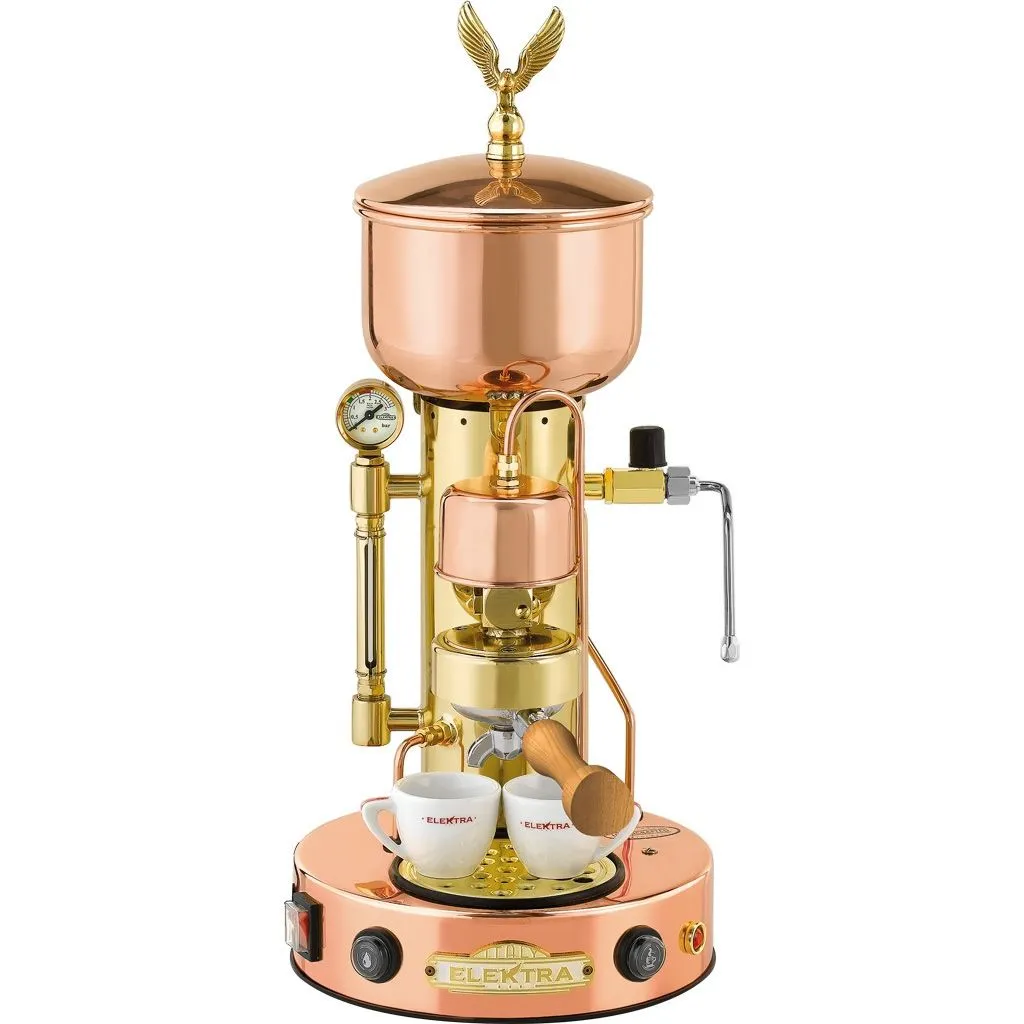
- Elektra Micro Casa Semiautomatic: A handcrafted Italian machine that combines a commercial-style heat exchanger with the visual drama of a domed brass body, a boiler water level sight glass, and a traditional eagle perched on top. The powerful pump delivers outstanding shot quality, and the steam pressure is controlled by a simple turn knob, giving you simultaneous brewing and steaming without the bulk of a full dual-boiler setup.
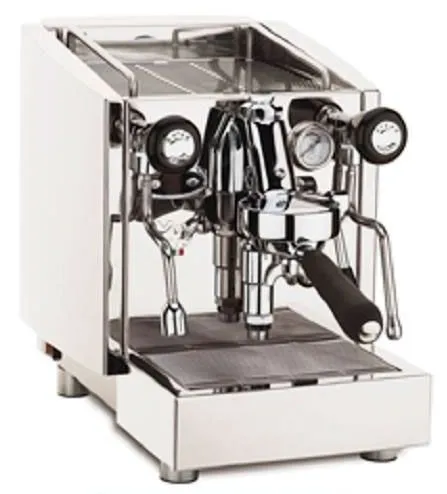
- Izzo Alex VIVI 3 with PID: Built around an insulated 1.5-litre copper heat exchanger boiler and the legendary E61 group, the VIVI 3 delivers automatic pre-infusion and rock-solid temperature stability shot after shot. The front-mounted PID lets you adjust boiler temperature precisely without tools, and the 3-litre reservoir fills from the top so you’re back in action quickly. It’s a compact machine built to last decades.
1st in Coffee Super-Automatic Machines
Super-automatic machines handle grinding, dosing, tamping, and brewing with a single button press. Automatic espresso machines like these automate the brewing process further than semi-automatic machines, many of which include programmable shot volumes for consistent results. Convenience is the whole point.
Top Products
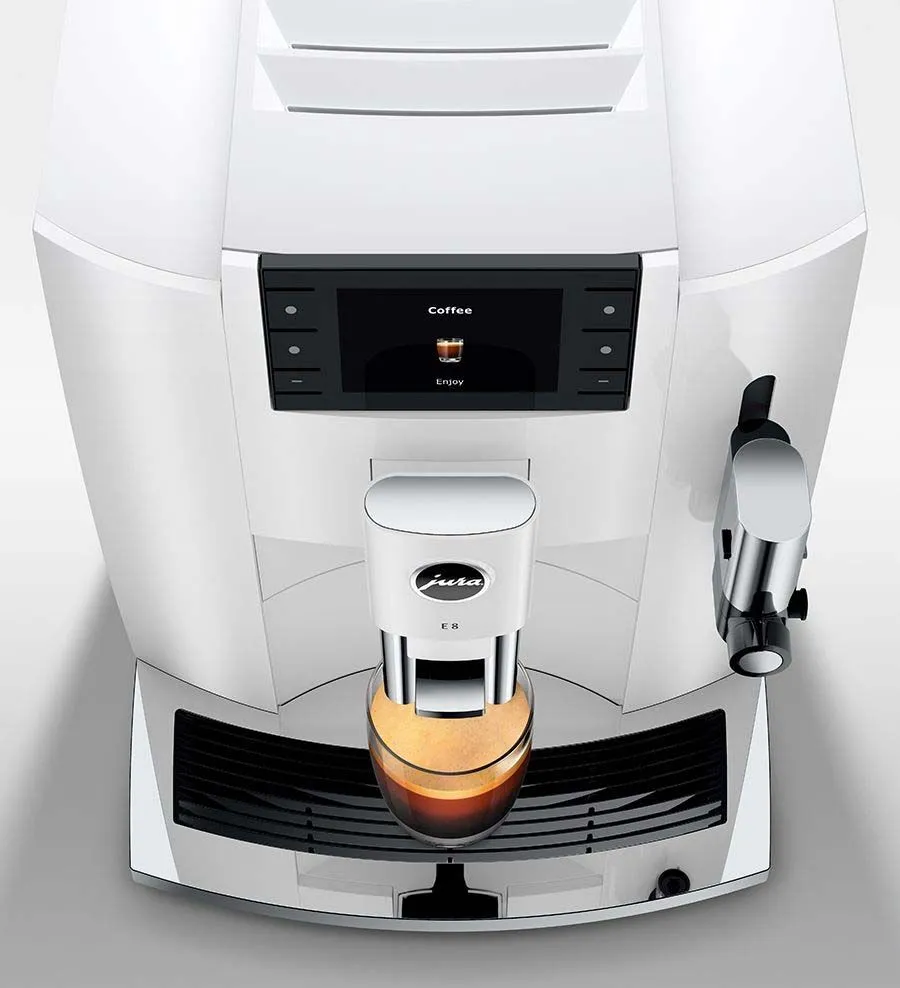
- JURA E8 White: JURA’s flagship one-touch machine with 15 programmable specialty drinks — from ristretto to latte macchiato to flat white, all from a single button. The six-level AromaG3 grinder freshly grinds before every shot; the Pulse Extraction Process (P.E.P.) optimizes extraction time for maximum aroma; and the Intelligent Water System automatically detects filter presence. Cleaning is one button, too.
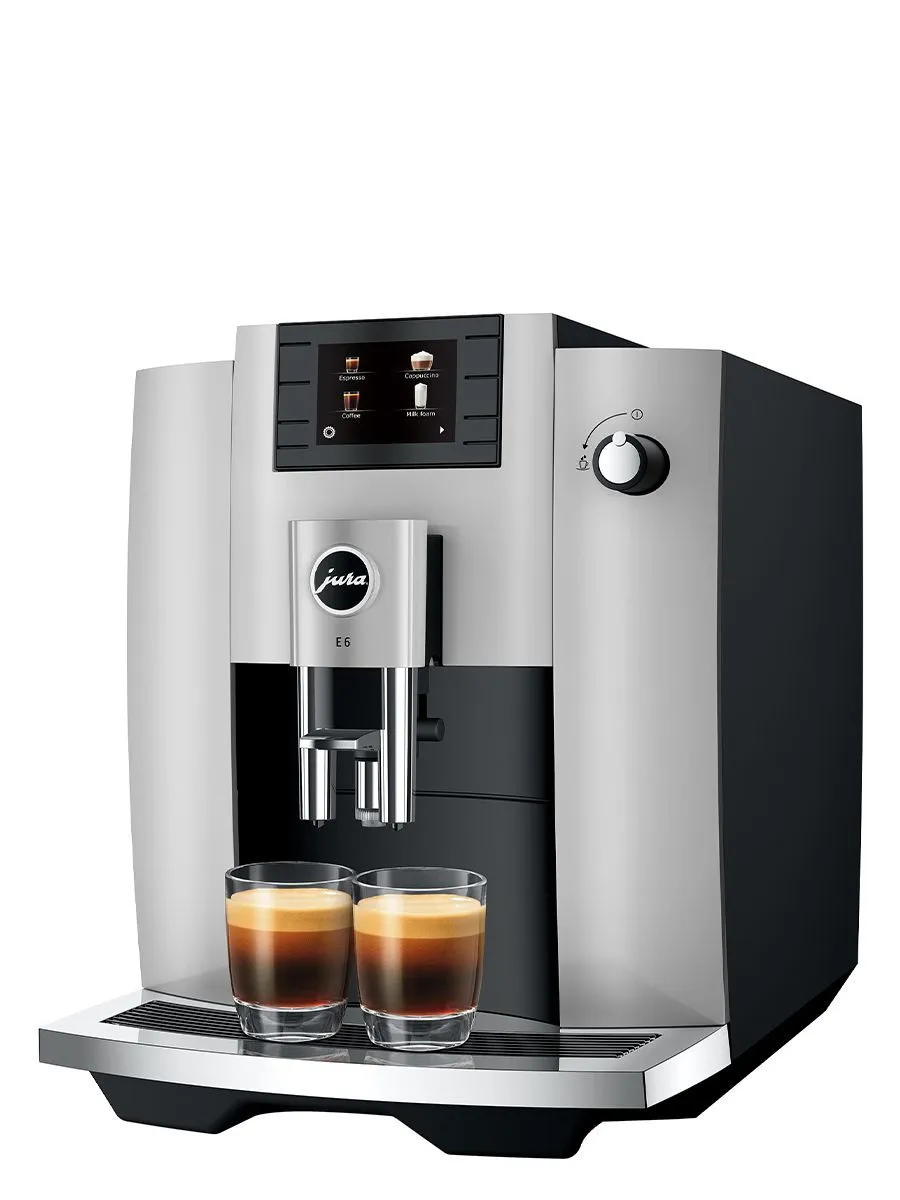
- JURA E6 Platinum: A refined, more streamlined super-automatic that delivers six pre-programmed specialty drinks and eight intensity levels through JURA’s exclusive Pulse Extraction Process. The Professional Aroma Grinder achieves 12% more aroma than conventional grinders, and CLEARYL Smart water filtration handles taste quality and machine longevity simultaneously. A TFT display keeps everything simple.
1st in Coffee Single-Serve Machines
These machines are pod-based and fast. More affordable machines in this category are consistent, low-effort, and light on kitchen counter space. It’s ideal for occasional drinkers who want decent coffee without the learning curve.
Top Products
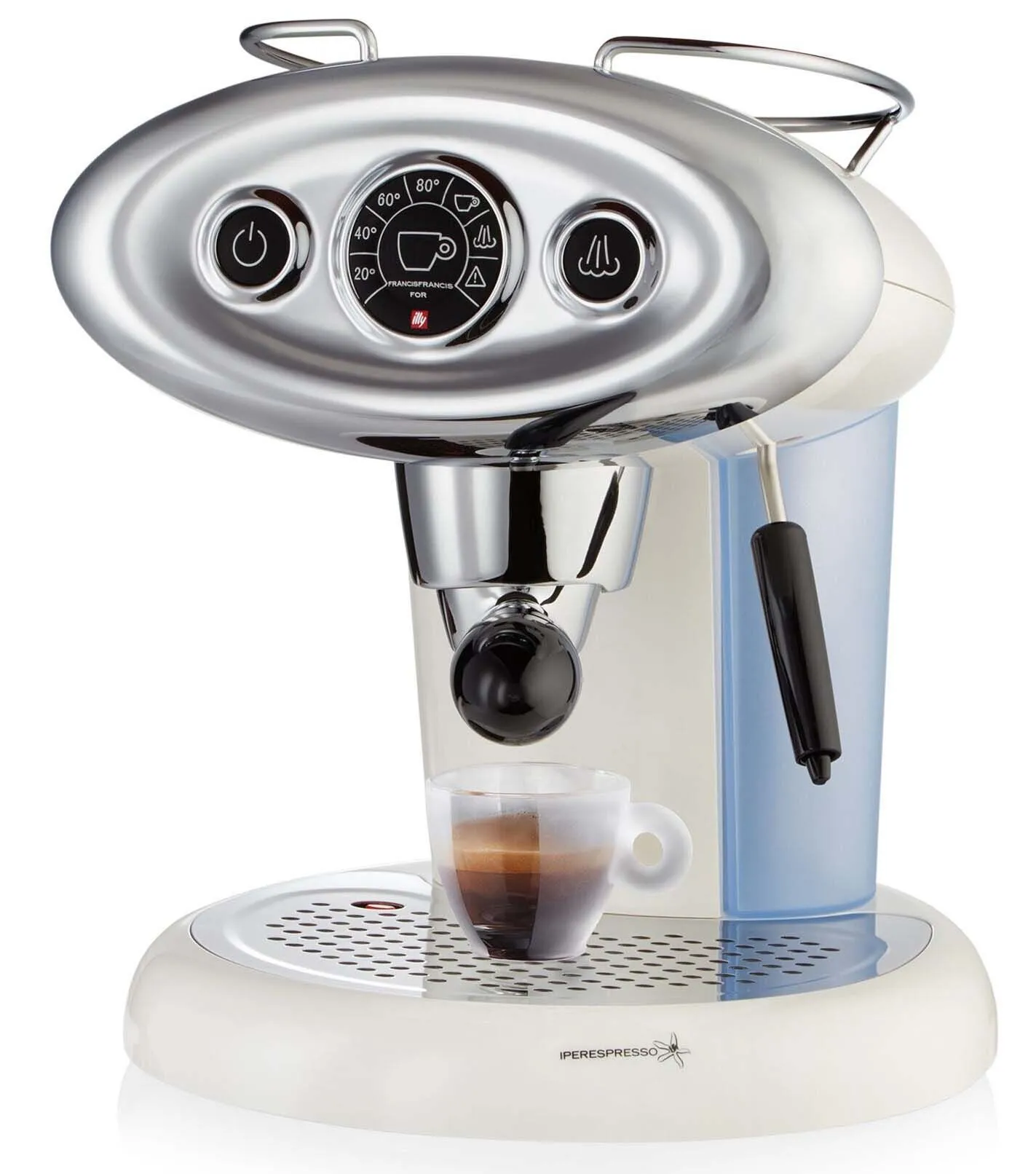
- Illy X7.1 iper White: Designed by Italian architect Luca Trazzi, this machine uses illy’s patented two-stage iperEspresso method—extraction occurs entirely inside the capsule, resulting in intensely aromatic espresso with rich, lasting crema and virtually zero cleanup. Pressure is optimised specifically for the iperEspresso capsule system, and the striking all-white design makes it as much a kitchen statement as a coffee machine.
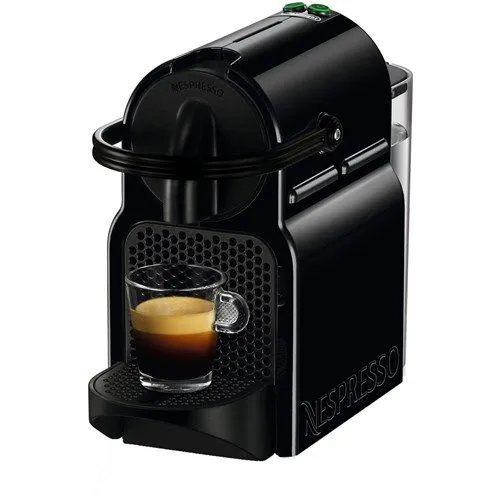
- Nespresso Inissia: The smallest-footprint option in the lineup, built around a 19-bar pressure pump and thermobloc heating system for fast, consistent extraction from Nespresso capsules. Two programmable buttons cover espresso and lungo, and the entire machine heats up in under 25 seconds.
Key Features to Consider When Buying an Espresso Machine
Machine type narrows your choices. What lives inside most espresso machines, the boiler, pump, materials, and controls, determines actual espresso quality, shot after shot.
Price vs Components
A higher price doesn’t always mean better espresso. What drives long-term value are boiler material, pump type, and component grade. Not the label.
| Category | Entry-Level | Mid-Range | High-End |
|---|---|---|---|
| Boiler Material | Aluminum | Stainless Steel | Brass or Copper |
| Pump Type | Vibratory | Vibratory | Rotary |
| Temperature Control | None | Basic | PID |
| Steam Wand | Panarello | Semi-Pro | Professional |
Vibratory pumps are common in affordable machines but are noticeably louder than the rotary pumps found in high-end espresso machines. Machines priced at mid-range and above make the switch for good reason.
Boiler Configuration & Materials
Boiler configuration significantly affects temperature stability, steaming power, and workflow. For anyone frequently making lattes or cappuccinos, it critically impacts workflow.
- Single boiler machine: One boiler for both brewing and steaming. It can’t run both at once
- Heat exchanger machines: Allow simultaneous brewing and steaming by routing brewing water through a heat exchanger
- Dual boiler machines: Separate boilers for each function, enabling simultaneous operation and better temperature control
Stainless steel, copper, and brass are the preferred boiler materials for heat retention and longevity. Machines built with low-grade plastic wear down quickly and struggle to retain heat.
Temperature Control
Temperature control is where great espresso is made or lost.
As Carles González, Coffee Competence Manager at Rancilio Group, explained in an interview with Perfect Daily Grind, “The solubility of many different chemical compounds in coffee is not linear at different water temperatures. Different compounds extract at different rates during the extraction process.”
Machines without temperature stability produce shots that taste sour on one pull and bitter the next.
A PID controller is essential for maintaining and adjusting temperature in espresso machines, providing precise temperature control within the optimal 92–95°C brewing range. The internal build material significantly affects brewing performance, particularly in terms of temperature stability and accuracy. Superior temperature control is what turns good coffee into repeatable, great espresso.
When choosing an espresso machine, prioritize boiler type, PID temperature control, and a high-quality steam wand.
Pressure & Portafilter
The machine should reach at least 9 bars of pressure for proper extraction. Coffee grounds won’t yield full flavor below that threshold. Push consistently past 10 bars, and bitterness follows. A one-hole steam tip can increase steam pressure, aiding milk frothing and consistency across the coffee puck.
A 58mm brass portafilter retains heat better and improves espresso quality across the board.
Brew Group Type
The E61 brew group is the benchmark for consistency in modern espresso machines.
Most machines at the prosumer level and above use this design to maintain a stable brewing temperature between shots, a detail most buyers overlook until they’re comparing results.
Milk Steaming Capabilities
The steam wand is crucial for creating silky microfoam for lattes and cappuccinos.
High-end espresso machines generate superior steam that’s drier and more uniform — exactly what latte art requires. Milk frothing quality and steam pressure both tie directly to boiler configuration. To froth milk with real texture and get smooth milk foam, steam power matters as much as technique.
Lower-priced machines may take close to a minute to steam milk for a single latte. More advanced machines deliver the same result in under 20 seconds. Dual-boiler machines provide better temperature control and higher steam output when you need to steam milk in volume.
Reservoir Capacity & Water Filtration
A larger water reservoir handles high-volume use without interruption. Water filtration protects coffee oils, improves taste, and shields internal components from mineral buildup over time.
External & Internal Materials
Higher-end machines use durable materials like stainless steel, brass, and copper internally, enhancing heat retention and longevity. Low-grade plastic components undermine the brewing process over time.
Choosing the right espresso machine involves considering its functionality, material quality, and support features together—not in isolation.
Parts, Servicing, and Resell Value
The value of an espresso machine lies not only in its quality but also in the availability of local repair and servicing support. Machines with removable parts for descaling and automatic cleaning cycles last significantly longer.
Regular maintenance: filtered water, descaling, cleaning group heads, purging steam wands, replacing gaskets, and emptying the drip tray keep the machine running smoothly for years.
What Really Matters in an Espresso Machine
Most guides compete on spec sheets. What they miss: across many espresso machines at every price point, repeatable temperature stability and consistent pressure are what actually produce quality coffee day to day. That’s the angle most buyers overlook before purchase.
Here’s where key models stand for reference:
- Breville Bambino Plus: Best bang-for-the-buck home espresso machine; excellent temperature consistency for pulling top-quality shots
- Breville Barista Express Impress: Built-in grinder, tamping arm, and intelligent dosing system — purpose-built for beginners
- Breville Barista Pro: Lets users change water temperature, grind size, and pre-infusion time for real hands-on control.
- Breville Dual Boiler: Simultaneous brewing and steaming; ideal for frequent cappuccino drinkers
- Oracle Dual Boiler by Breville: Both automatic and manual modes; built for users who want to grow with their machine
- Meraki Espresso Machine: Offers both automatic and manual modes, resulting in exceptional espresso shots across both.
- Rancilio Silvia: Known for commercial-grade parts; favored by home espresso enthusiasts who enjoy learning techniques; consistently produces high-quality espresso shots
- Profitec Go: Praised for consistent espresso shots with rich crema and a quick pre-heating process
- Diletta Mio: Customizable PID controller for brew temperature adjustments; quick steam mode
- Lelit Elizabeth: Dual boilers, digital PID display, professional-grade performance
- Lelit Bianca V3: High-end advanced features at a lower price compared to competitors
- De’Longhi Stilosa: Budget-friendly entry point — produces only adequate espresso and has a flimsy build
Match the best espresso machine to where you are right now, not your future ambitions.
Choosing the Best Espresso Machine for Your Needs
Evaluate budget, counter space, and boiler type before anything else. If your machine lacks built-in grinders, plan to allocate 40–50% of your total equipment budget for a quality grinder.
A standalone espresso grinder will outperform any standalone grinder pulled from a drip coffee setup. For most machines, that decision shapes your first-cup results more than the machine itself.
Browse the full range a t 1st in Coffee —espresso machines and coffee makers across every type and budget, with expert guidance seven days a week.
For global espresso extraction standards, the Specialty Coffee Association is the authoritative reference.
Common Mistakes to Avoid When Buying
The same four traps catch buyers every time. More affordable machines often appear high-quality on the outside. The real difference is in the machine’s functionality, build quality, and temperature stability. Most buyers don’t check until it’s too late.
- Buying based solely on price. Machines cost what their internals justify. Low-grade components affect the brewing process from day one.
- Ignoring material quality. Internal build determines espresso quality for the life of the machine. Good coffee requires good components.
- Wrong skill-level fit. A fully automatic espresso machine suits convenience-first buyers. A commercial espresso machine setup serves high-output or skill-focused buyers. Know which one you are.
- Overlooking maintenance. An espresso machine with a grinder removes one variable. Still, automatic cleaning cycles and accessible descaling parts matter across semi-automatic machines and automatics alike.
Conclusion
The best espresso machine isn’t the most expensive. It’s the one that fits your workflow, matches your skill level, and delivers great espresso with consistent results.
Start with machine type. Prioritize boiler configuration and PID temperature control above everything else. You can consider the availability of parts and services before committing. That’s how good coffee at home becomes something you can count on every single morning.
The Author