How to Use a Coffee Maker: A Step-by-Step Guide for Beginners
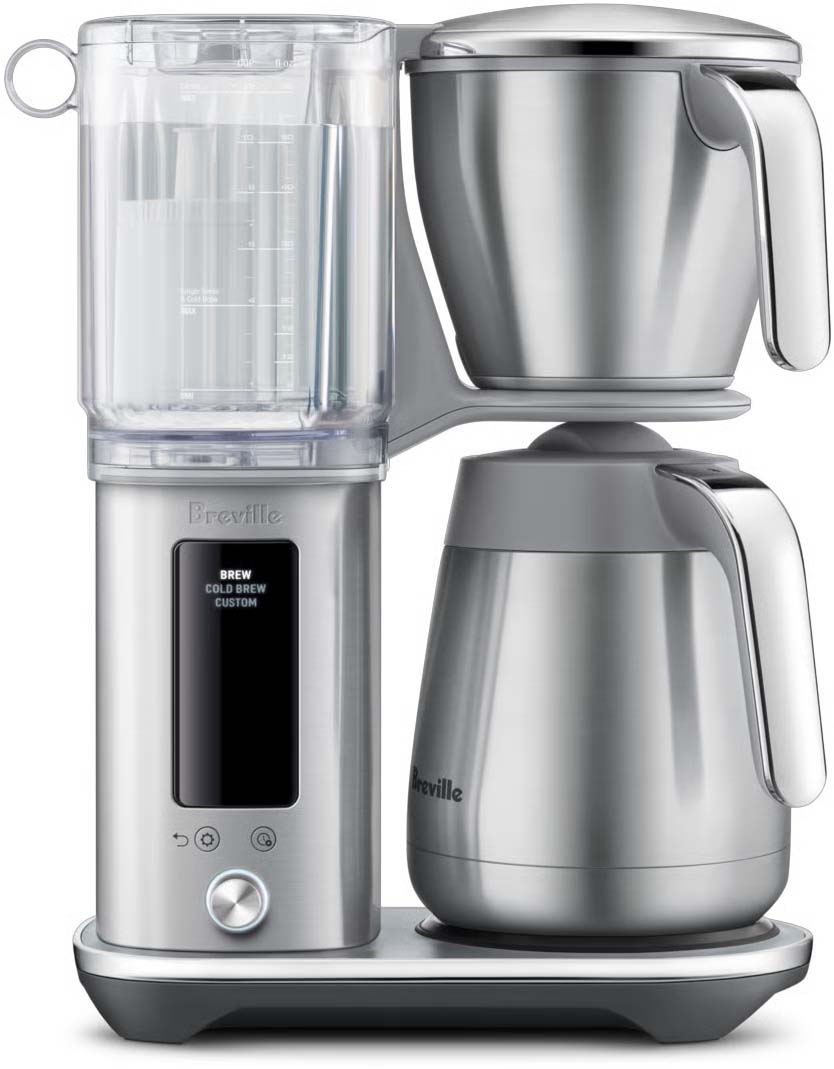
Table of Contents
Making your first pot of coffee at home shouldn’t feel intimidating. Whether you just unboxed a new machine or you’re finally figuring out how to use a coffee maker that’s been sitting on your counter, you’re in the right place. The good news is that brewing great coffee takes about five minutes of actual work, and most of that is just adding water and scooping grounds. No fancy barista skills required. Just fresh morning coffee whenever you want it.
What Is a Coffee Maker and How Does It Work?
A drip coffee maker is an automatic brewing device that does most of the work for you. You add water to a reservoir and coffee grounds to a filter basket, press start, and wait. The heating element warms cold water to the ideal temperature, usually between 195 and 205 degrees. That hot water then drips through the grounds in the brew basket, extracting oils and flavors. Gravity pulls the freshly brewed coffee down into a glass carafe or pot below.
One thing that confuses new homebrewer folks is cup measurements. Most machines label their water reservoir with numbers like four, six, or twelve cups. Those measurements assume one cup equals six ounces, which is way less than the twelve to sixteen-ounce mug most people actually drink from. If you want two full mugs of coffee, you’ll probably need to fill to the six or eight-cup line.
What You Need Before You Start
Before brewing your first pot, gather everything you’ll need. Having it all ready makes the process smoother.
Essential Items
You absolutely need coffee, either pre-ground coffee or whole coffee beans if you have a grinder. Next is fresh, cold water. Tap water works fine if it tastes good, but filtered water makes noticeably better coffee if your tap has a strong taste. You’ll also need a coffee filter, either disposable paper filter options or a reusable mesh version. Make sure the filter size matches your brew basket. Using flat-bottom filters in a cone-style basket leads to overflow.
Optional Items
These extras improve your coffee but aren’t required. A kitchen scale helps you measure the correct amount of coffee and water precisely. Coffee grinders let you grind whole beans fresh right before brewing, which creates better flavor than anything pre-ground. A burr grinder produces the most consistent medium grind size. Some people keep a thermos nearby for taking coffee on the go, while others stock cream and sugar for customizing their drink.
First Time Setup: Preparing Your Drip Coffee Machine
If your machine is brand new, run a complete brew cycle with just water before making actual coffee. This rinses out any manufacturing dust or packaging residue. Fill the reservoir, place an empty filter in the basket, and run a full cycle. Pour that water out, and you’re ready.
For machines you’ve used before, do a quick check. Make sure the carafe is clean, and the filter basket is empty. A clean machine makes better-tasting coffee and prevents weird flavors from sneaking into your cup.
How to Use a Home Coffee Maker (Step-by-Step)
Now for the actual brewing. These steps work for virtually every drip-style coffee pot on the market.
Step 1: Add Water (and Why Cold Water Matters)
Fill your carafe with cold water to the desired level, then pour it into the reservoir. Cold water works best because the machine is designed to heat it to the optimal brewing temperature. Using hot water from the tap throws off that temperature and can result in bitter or weak coffee.
Water quality matters more than most people realize. If your tap water tastes off or has a strong mineral flavor, that will show up in your coffee. Using a water filter or bottled filtered water fixes this and noticeably improves flavor. Coffee is about 98 percent water, so starting with good water is one of the easiest ways to get better results.
Step 2: Prep the Filter
Grab a paper filter and place it in the brew basket. Cone-shaped filters work best if you fold the crimped edges in opposite directions before placing them in the basket. This helps them fit properly and prevents collapse when you add grounds. Flat-bottom versions go right in without any folding needed.
Step 3: Add Ground Coffee (How Much and What Type)
Measure your coffee and add it to the filter. The standard ratio is one to two tablespoons of grounds per six ounces of water. Start with two tablespoons if you like regular strength, or drop to one for lighter coffee.
If you’re grinding your own beans, use a medium grind that looks like coarse sand. Too fine and your coffee tastes bitter. Too coarse and it comes out weak. Freshly ground beans make better coffee than pre-ground options, but pre-ground is totally acceptable.
| Grind Size | Looks Like | Best For | Works for Drip? |
| Fine | Powder | Espresso | No (too bitter) |
| Medium | Sand/sea salt | Coffee makers | Yes (perfect) |
| Coarse | Breadcrumbs | French press | No (too weak) |
Using medium ground coffee gives you the best results in a standard drip machine.
Step 4: Start Brewing
Close the filter basket lid, make sure the carafe is positioned correctly under the drip spout, and turn the machine on. The brew cycle takes anywhere from four to eight minutes, depending on how much you’re making. You’ll hear the water heating and see it start dripping through the grounds. Don’t open the lid or remove the pot during the brewing process. Just wait and let the machine finish.
Step 5: Remove From the Hot Plate (Timing Matters)
Once the machine stops dripping, your coffee is ready. Here’s where timing matters. If you have a glass carafe on a warming plate, pour your coffee within fifteen to twenty minutes for the best flavor. Leaving it on the heat longer creates a burnt, bitter taste as the warming plate gradually degrades flavor compounds. Turn off the plate or transfer coffee to a thermos if you’re not drinking it all right away. Thermal carafes maintain temperature through insulation without this problem.
Step 6: Serve and Enjoy
Pour yourself a cup and taste it before adding cream or sugar. This helps you understand the actual flavor profile and whether you need to adjust your ratio next time. If it tastes bitter, try using slightly less coffee or switching to a coarser grind. If it tastes weak or sour, add more coffee next time. Making small adjustments helps you dial in your perfect cup.
Cleaning and Maintenance Tips
Regular cleaning keeps your machine working well and prevents old coffee oils from affecting fresh batches.
Daily Cleaning
After each use, dump the used coffee grounds and filter. Rinse the carafe with warm water and wash it with dish soap every few days. Rinse the filter basket to remove stuck grounds. Wipe down the exterior and the warming plate. Coffee drips, and spills happen, and letting them sit creates crusty messes. A quick wipe takes five seconds and saves scrubbing time later.
Deep Cleaning (Monthly Descaling)
Every month or two, run a descaling cycle to remove mineral deposits from hard water. These deposits affect water flow, temperature, and ultimately flavor. You can buy commercial descaling solution from any coffee machine store or use white vinegar as a natural alternative.
Fill the reservoir halfway with white vinegar and halfway with water. Run a complete cycle without coffee in the basket. Once finished, dump the vinegar water and run two full cycles with just plain water to rinse out any vinegar taste. Your machine will brew faster and taste better after descaling.
Troubleshooting Common Coffee Maker Problems
Even reliable machines occasionally act up. Here’s how to fix the most common issues.
Weak or Bitter Brewed Coffee
Weak coffee usually means you’re not using enough grounds, or your grind is too coarse. Try adding another tablespoon per pot or grinding slightly finer. Bitter coffee is the opposite problem. You’re using too much coffee, grinding too fine, or leaving the pot on the heat too long. Cut back on the amount, grind coarser, or remove the carafe from the plate sooner.
Stale coffee beans create a flat, dull flavor no matter what you do. Coffee stays fresh for about two to four weeks after roasting. Check the roast date on your bag and store beans in an airtight container away from light and heat for best results.
Machine Not Brewing
If your drip machine won’t start, first check that it’s plugged in and the outlet works. Make sure the carafe is positioned correctly since many machines have a safety feature preventing brewing without proper placement. Check for visible blockages in the water line or filter basket.
If the machine powers on but water won’t flow, it likely needs descaling. Mineral buildup restricts flow and prevents proper brewing. Run the descaling process, and the problem usually clears right up.
Overflow or Leaks
Overflow typically happens when you use too much coffee or the wrong filter size. The grounds expand when wet, and too much blocks the water flow. This causes backup and spillover from the basket. Use less coffee or make sure your filter matches your machine. Leaks from the carafe usually mean the lid isn’t on tight or there’s a crack in the glass.
How to Make Your Coffee Taste Better at Home
Beyond fixing problems, a few simple upgrades dramatically improve coffee quality. Start with better coffee beans. Fresh beans from a local roaster beat stale grocery store coffee every time. Buy whole beans with a recent roast date and store them in an airtight bag away from light and heat.
Use filtered water if your tap tastes off. Water quality directly affects flavor since coffee is mostly water. Experiment with your coffee-to-water ratio until you find your sweet spot. Clean your machine regularly since old coffee oils create rancid flavors that ruin fresh coffee.
Conclusion: Your Journey to Great Coffee Starts Here
You now know everything needed to use coffee makers of any brand or model confidently. The brewing methods stay consistent whether you’re making one cup or twelve. Start with these fundamentals, then experiment to find what you enjoy most.
Making great coffee at home doesn’t require expensive equipment. A solid drip coffee maker, quality coffee beans, clean water, and a few minutes create results that rival your favorite coffee shop.
Are you ready to upgrade your morning routine? The experts at 1st In Coffee can help you find the perfect machine with owner-answered calls seven days a week. Browse their selection and start brewing better coffee today.
The Author